If you strip away the jargon and courtroom Latin, Agency in Business Law is brutally practical. It answers one deceptively simple question:
Who has the legal authority to act for the company—and what happens when they overstep?

Everything else—purchase orders, supplier contracts, NDAs, approval limits, procurement workflows—is downstream of that question.
Agency is not an academic sidebar to corporate operations. It is the invisible architecture that holds together signing authority, working capital protection, and governance discipline. When its clear contracts are enforceable and risk is controlled. When its sloppy, companies bleed money through unauthorized commitments, rogue agreements, and expensive litigation over who “had authority.”
Let’s treat this properly. Agency is legal clarity + operational governance + risk mitigation. Not theory for a law exam, instead, structural control for a business.
-
Agency in Business Law Is the Foundation of Signing Authority
At its core, Agency in Business Law governs the principal and agent relationship. A principal (the company) authorizes an agent (an employee, officer, or representative) to act on its behalf. The agent’s actions—if properly authorized—legally bind the principal.
That’s the engine. This structure defines:
- Who has corporate agency authority
- The legal authority to bind a company
- The enforceability of contracts signed in the company’s name
- The risk allocation between company and individual
The entire agency relationship in contract law rests on authorization.
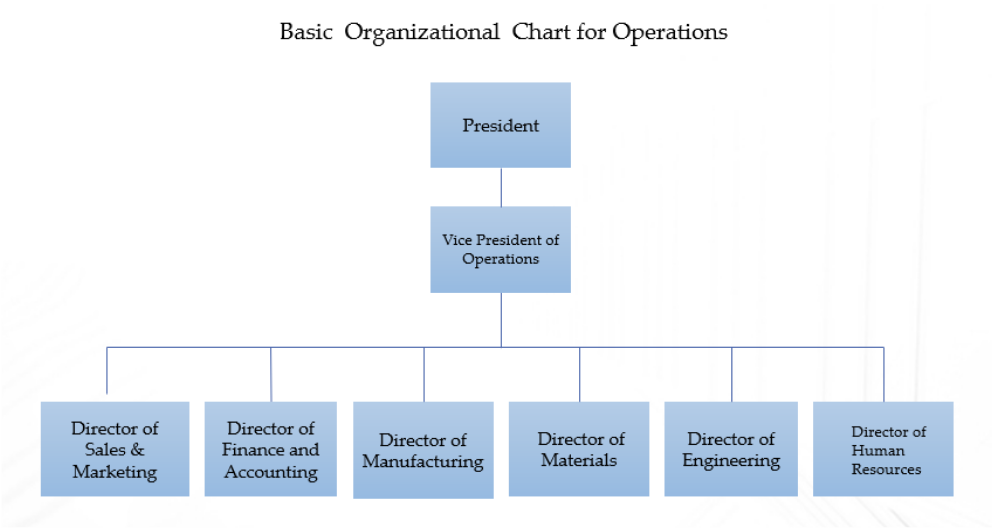
If a purchasing manager signs a supply agreement within delegated authority, the company is bound. If a warehouse supervisor signs a multi-year tooling agreement without authorization, you may have a very expensive problem.
That’s why governance begins with clarity around the scope of authority in business.
No clarity? No control.
-
Agency in Business Law, Actual vs Apparent Authority: Where Companies Get Burned
Here’s where executives get uncomfortable.
In Agency in Business Law, authority can be either:
Actual Authority
Authority explicitly granted—through bylaws, board resolutions, a delegation of authority policy, or a documented authority matrix in procurement.
It can be:
- Express (written delegation, approval limits)
- Implied (necessary to perform assigned duties)
Apparent Authority
Authority that appears to exist because of the company’s conduct—even if it was never formally granted.
This distinction between actual vs apparent authority is where litigation lives.

Courts routinely enforce contracts based on apparent authority when third parties are reasonably relying on:
- Titles
- Email signatures
- Negotiation conduct
- Past transactions
- Silence from leadership
Courts do not care what your internal policy says if your external behavior signals authority.
If a buyer negotiates pricing for six months, uses company letterhead, signs as “Senior Sourcing Manager,” and regularly issues purchase orders, a supplier may reasonably assume authority exists. That’s the risk of apparent authority claims.
Governance isn’t what’s written. It’s what’s consistently enforced.
This is why Agency in Business Law must be tied to operational controls—approval thresholds, contract signature blocks, documented authority matrices—not just HR manuals collecting digital dust.
-
Agency in Business Law – the Legal Framework Behind Purchase Orders and Commercial Terms
Every Purchase Order (PO) is an act of agency.
Every commercial term negotiated with a supplier is an act of agency.
Without valid agency authority:
- The PO may not bind the company
- The supplier may claim reliance
- The company may still be obligated under apparent authority doctrines
This is why your Purchase Order and Purchase Order Terms and Conditions must align with:
-
- Defined signing authority limits
- Delegation of Authority Templates
- Approval Limits tables
- A structured Procure-to-Pay process
You can find an example set of a Purchase Order, Purchase Order Terms and Conditions, an Approval Limits Table, and a structured Procure-to-Pay process by clicking the appropriate link below.
https://getyourpurchasingdocuments.com/product/purchase-order-form/
https://getyourpurchasingdocuments.com/product/purchase-order-terms-and-conditions/
https://getyourpurchasingdocuments.com/product/approval-limits-in-purchasing/
The legal authority to bind a company must match the operational workflow.
For example, if your procurement approval workflow requires department approval, Finance signoff, or an Executive authorization above a threshold, but your ERP system allows buyers to issue POs without control, then your operational system contradicts your governance system.
That inconsistency weakens your defense in an authority dispute.
Enforceability of contracts signed by agents depends on documented structure plus consistent and controlled execution.
-
Agency in Business Law – The Fiduciary Duty of an Agent: Loyalty, Care, and No Self-Dealing
Agency is not just about authority. It’s about obligation.
The fiduciary duty of an agent requires the agent to:
- Act in the principal’s best interest
- Avoid conflicts of interest

- Disclose material facts
- Not secretly profit
These agent responsibilities in a corporation are not optional ethical guidelines. Instead, the agent’s responsibilities are enforceable legal standards.
Violations of these responsibilities can trigger termination, personal liability, claims for breach of fiduciary duty, and reputational damage.
When companies implement internal controls in purchasing and segregation of duties in corporate governance, they’re not being bureaucratic. They’re building structural safeguards against fiduciary breaches.
Agency discipline protects both the company and the individual employee.
-
Agency in Business Law – A Risk Boundary Protecting Working Capital
Working capital is fragile. Unauthorized commitments can,
- Lock up cash in excess inventory
- Trigger long-term pricing obligations
- Create minimum order quantity exposure
- Generate freight liabilities
- Expose the company to termination penalties
Agency in Business Law defines the risk boundary that prevents those leaks. If you do not have signing authority limits, board-authorized representatives, contract signature blocks, and clear officer vs employee authority distinctions, you create open-ended financial exposure.
This is why companies have a documented and enforceable ‘approval hierarchy,’ an authority matrix in procurement that matches financial thresholds, and a ’Delegation of Authority’ policy that is linked directly to ‘spend’ categories. In other words, the company has Corporate Governance Controls in place.
If a plant buyer, without signature authority or the required approval limit, can legally bind the company to a $1M purchasing agreement (or Purchase Order) without senor level and/or CFO signoff, due to the lack of or gap in the procurement process (operational structure), you don’t have control. Instead, you have an ‘open system’ that can generate significant liabilities.
The ‘bottom line’ is that Agency discipline creates working capital protection.
-
Agency in Business Law, Rogue Commitments: How They Happen
Rogue commitments rarely begin with malice. They begin with ambiguity.
Common failure patterns include,
- Vague job titles implying authority
- No documented authority matrices
- Inconsistent enforcement of approval thresholds
- Informal supplier onboarding controls
- Email-based “go ahead” commitments
Then comes the dispute. The supplier argues third-party reliance on agent authority. The company presents the argument of internal policy. The court examines conduct. If company behavior signaled authority, the contract may be enforced—even if the employee exceeded actual authority.
This is why governance must align behavior, documentation, and enforcement.
Agency in Business Law is not theoretical protection. It’s behavioral discipline.
-
Agency in Business Law – Ratification of Unauthorized Acts
Even when authority did not originally exist, companies can become bound through ratification of unauthorized acts.
If leadership remains silent about unsanctioned agency actions and accepts goods, approves and pays invoices, fails to object, and continues that performance, the law may interpret this as ratification.
Silence can be interpreted as consent. Payment of an invoice can be considered confirmation of authority of the agent to act and operational sloppiness can create legal obligation.
Agency theory recognizes that businesses operate through people. If leadership tolerates unauthorized behavior, courts may treat that tolerance as endorsement.
Governance means reacting decisively to unauthorized commitments—not ignoring these actions and continuing to conduct ‘business as usual.’
-
Agency in Business Law – Corporate Governance Controls: Making Agency Practical
Now we move from doctrine to discipline.
To translate Agency in Business Law into operational control, companies must implement:
- Delegation of Authority Policy
Defines who may bind the company and within what limits.
- Authority Matrix in Procurement
Connects spend thresholds to company roles.
- Signing Authority Limits
Hard-coded financial caps tied to approval hierarchy.
- Approval Limits Tables
Documented thresholds aligned to ERP controls.
Click on the link below to see an example of an Approval Limits Table.
https://getyourpurchasingdocuments.com/product/approval-limits-in-purchasing/
- Contract Signature Blocks
Explicit authority language that prevents ambiguity.
- Supplier Onboarding Controls
Ensures only approved corporate agents negotiate terms.
- Procurement Approval Workflow
Structured steps preventing unilateral commitments.
- Segregation of Duties in Corporate Governance
Separates negotiation, approval, and payment authority. Without the separation of duties, agency theory collapses into chaos. With them, it becomes risk mitigation infrastructure.
- Agency in Business Law – Officer vs Employee Authority
Not every title carries equal authority. Officer vs employee authority distinctions matter enormously.
Corporate officers may possess broader implied authority. Employees typically do not have this implied authority unless granted.
Confusion arises when titles inflate or are indistinct, authority is assumed, or conduct contradicts policy.
If your “Director” title doesn’t match actual delegated authority, you are manufacturing apparent authority risk.
Agency in Business Law requires alignment between titles, authority, documentation, and practice. Anytime there is misalignment, it can mean exposure.
- Compliance Obligations of Corporate Agents
Corporate agents carry compliance obligations.
They must:
- Operate within delegated authority
- Follow corporate governance controls
- Avoid exceeding documented approval thresholds
- Respect contract signature limitations
Failure triggers potential agent liability for unauthorized actions.
While companies may still be bound under apparent authority doctrines, the individual agent may face internal discipline or indemnity claims.
Agency discipline protects careers as much as balance sheets.
- Third-Party Reliance: The Supplier Perspective
Suppliers evaluate authority differently.
They are looking for:
- Titles
- Email domains
- Negotiation history
- Issued purchase orders
- Consistent conduct
If a supplier reasonably believes authority exists, courts may protect that reliance.
This is the heart of apparent authority doctrine.
The risk of apparent authority claims increases when:
- Authority is inconsistently enforced
- Unauthorized commitments are tolerated
- Leadership fails to correct external impressions
Clear documentation plus consistent enforcement reduces litigation exposure.
- Agency in Business Law – Agency Tied to the Procure-to-Pay Process
Agency in Business Law must connect directly to the Procure-to-Pay process.
You can learn more about the Procure-to-Pay (P2P) process by following the link below.
Each stage in the P2P process contains agency risk:
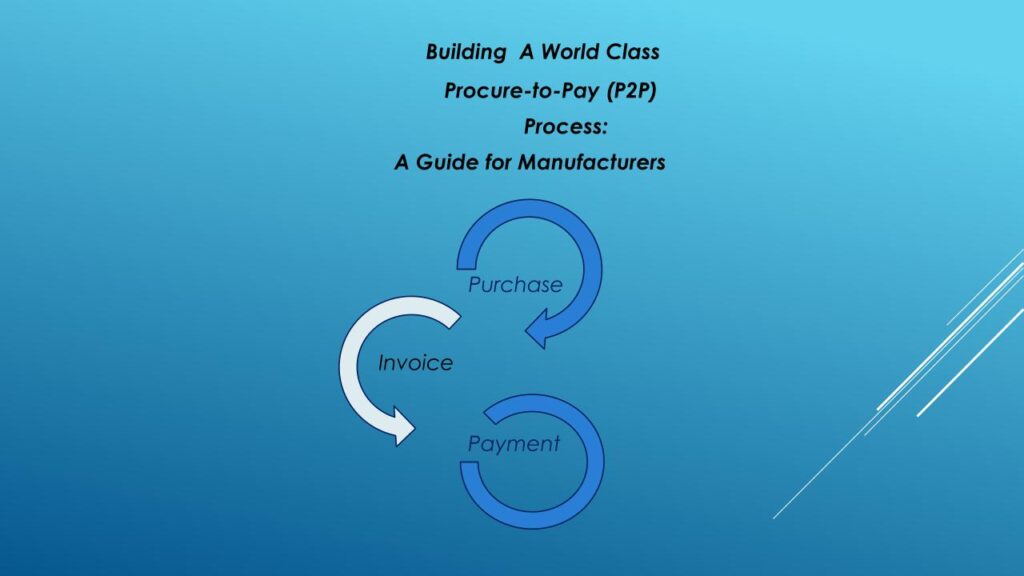
- Purchase Requisition approval
- Supplier selection
- Negotiation of commercial terms
- Issuance of Purchase Order
- Acceptance of goods
- Invoice approval
- Payment authorization
If authority controls do not match workflow controls, you create gaps.
Internal controls in purchasing must map directly to:
- Delegation of authority doctrine
- Approval limits tables
- Contract signature blocks
- Documented authority matrices
Agency is not separate from procurement governance. It is its backbone.
- Agency in Business Law – Enforceability: Where Governance Becomes Real
The ultimate test of Agency in Business Law is enforceability.
When a dispute arises, courts examine:
- Was there actual authority?
- Was there apparent authority?
- Did the company’s conduct (actions) signal authorization?
- Was there ratification?
- Was third-party reliance reasonable?
If your internal documentation exists but is not enforced, it weakens your position.
Governance must be lived, not laminated.
- Agency in Business Law – Agency as a Strategic Discipline
Agency is not administrative overhead. It is:
- The foundation of signing authority
- The legal framework behind Purchase Orders and Commercial Terms
- The risk boundary protecting working capital
- Discipline preventing rogue commitments
When properly implemented, Agency in Business Law strengthens:
- Corporate governance controls
- Compliance integrity
- Contract enforceability
- Financial discipline
- Operational accountability
When ignored, it invites:
- Unauthorized obligations
- Litigation risk
- Supplier disputes
- Working capital erosion
- Executive embarrassment
No CFO enjoys explaining a multi-million-dollar obligation created by someone who “wasn’t supposed to sign.”
- Agency in Business Law – Governance Is What’s Enforced
Let’s end where reality lives.
You can have:
- A beautifully drafted delegation of authority policy
- A detailed authority matrix in procurement
- Elegant approval limits tables
- Structured contract signature blocks
But if behavior contradicts them, apparent authority doctrine will override them.
Courts examine conduct.
Suppliers rely on signals.
Governance is not what’s written. It’s what’s consistently enforced.
Agency in Business Law becomes real only when:
- Approval thresholds are respected
- Contract signatures match documented authority
- Supplier onboarding controls prevent informal commitments
- Unauthorized acts are addressed immediately
- Ratification is deliberate—not accidental
Legal clarity without operational governance is theory. Operational governance without legal clarity is improvisation. Agency binds them together.
When properly structured, it becomes a disciplined system of authority, accountability, and risk mitigation that protects contracts, preserves working capital, and prevents rogue commitments from quietly detonating on your balance sheet.
That’s not legal abstraction.
That’s corporate survival.
If you would like to learn more about Agency in Business Law, you can click on one of the links below.