Revolutionize Your Purchasing and Supply Chain Management Practices Today!

Miscellaneous

Free

Numbers do not lie — but they can absolutely mislead if they are categorized poorly. A business without structure in its financial architecture is like a factory floor without labeled bins. Parts are moving. Money is moving. But clarity? Gone. That’s exactly why a Chart of Accounts is not optional. It is foundational.

A properly designed Chart of Accounts provides the backbone of the entire accounting ledger structure. Every transaction — whether it is raw material spend, freight, payroll, or capital equipment — flows through the general ledger accounts list. If those accounts are vague, duplicated, or poorly numbered, financial reporting becomes distorted. Margin looks inflated. Overhead appears mysterious. Working capital becomes guesswork instead of measurable reality.

At its core, a Chart of Accounts is a structured financial reporting framework that categorizes transactions into asset liability equity accounts and revenue and expense accounts. These classifications are not academic exercises. They determine how leadership understands profitability, liquidity, leverage, and operational performance.

Think of it this way: you cannot manage what you cannot see. And you cannot see what you do not classify correctly.

Chart of Accounts – Financial Clarity Begins with Structure

The business chart of accounts structure defines how transactions are grouped and reported. When built properly, it supports:

  • Standardized account coding
  • Cost center mapping
  • Departmental expense tracking
  • Inventory asset classification
  • Capital expenditure categorization

Without this structure, expenses often get buried under generic categories like “miscellaneous” or “other costs.” That is not accounting — that is avoidance.

A disciplined accounting numbering system ensures logical grouping. For example, 1000-series accounts for assets, 2000-series for liabilities, and so on. This hierarchy strengthens consolidated financial reporting and supports ERP chart configuration across multiple entities. If your organization operates in several divisions or legal structures, a multi-entity accounting structure becomes critical for maintaining clean reporting.

With a Chart of Accounts Business is Governance, Compliance, and Control

A Chart of Accounts for Business is also a governance mechanism. It reinforces internal controls in financial reporting and supports segregation of duties in accounting. When GL coding controls are clearly defined, it becomes harder for expenses to be misclassified intentionally or accidentally.

This strengthens:

  • Audit trail integrity
  • Fraud prevention controls
  • SOX compliance structure
  • Financial transparency standards
  • Board-level reporting clarity

A sloppy expense classification system creates vulnerability. Misclassified costs distort EBITDA reporting accuracy. Overhead allocation errors skew margin analysis by category. Working capital visibility becomes compromised. Executives begin making strategic decisions based on flawed data.

Precision in the corporate accounting structure reduces that risk.

A Chart of Accounts Means Operational Intelligence and Decision-Making

A Chart of Accounts is not just about compliance. It is about operational cost intelligence.

When revenue and expense accounts are aligned with spend category alignment and procurement-to-pay account mapping, leadership gains visibility into where money is flowing. Budget-to-actual variance tracking becomes meaningful. Performance measurement alignment improves.

For manufacturing companies, this can mean the difference between:

  • Accurately tracking cost of goods sold versus burying freight in overhead
  • Separating direct material from indirect spending
  • Monitoring inventory asset classification properly
  • Distinguishing capital expenditures from operating expenses

These distinctions influence margin reporting, tax positioning, and long-term investment strategy.

The accounting ledger structure should mirror how the business operates. If production is segmented by product line, the accounts should allow margin visibility by product line. If procurement is strategic, spend category alignment should reflect major sourcing categories. That is enterprise financial architecture — not bookkeeping.

Scalability and Growth is Supported by a Chart of Accounts 

Growth exposes weak structure. A startup may survive with a simplistic general ledger accounts list. A scaling organization cannot.

As complexity increases, the need for:

  • Scalable accounting infrastructure
  • ERP chart configuration
  • Cross-functional financial governance
  • Compliance-ready accounting framework

becomes unavoidable.

A Chart of Accounts  must evolve alongside the organization. New revenue streams require new revenue and expense accounts. Acquisitions demand careful integration into the existing financial reporting framework. Without discipline, the chart becomes bloated, redundant, and unusable.

The key is balance: detailed enough to provide cost visibility controls but structured enough to remain clean and navigable.

Preventing Strategic Blind Spots with a Chart of Accounts

Many executives focus on revenue growth while ignoring structural financial clarity. That is like upgrading machinery while ignoring calibration.

If expenses are miscategorized:

  • Margin analysis becomes unreliable
  • Capital allocation decisions become distorted
  • Working capital optimization suffers

An accurate business chart of accounts structure supports data-driven financial decision-making. It enables EBITDA reporting accuracy. It strengthens overhead allocation methodology. It improves consolidated financial reporting across divisions.

In short, it protects strategic judgment.

The Bottom Line: A Chart of Accounts Is more than Numbers

A Chart of Accounts is more than a list of numbers. It is the financial nervous system of the organization. It defines how information flows, how costs are classified, and how performance is measured.

When structured correctly, it supports:

  • Clear asset liability equity accounts
  • Logical revenue and expense accounts
  • A disciplined expense classification system
  • Strong internal controls in financial reporting
  • Reliable audit trail integrity
  • Enterprise-wide financial transparency

When structured poorly, it quietly undermines decision-making.

Businesses do not collapse overnight. They drift — often because financial signals are blurred. A properly designed Chart of Accounts eliminates that blur. It transforms raw transactions into operational intelligence and strategic clarity.

And in a world where capital is tight, margins are scrutinized, and governance expectations are rising, clarity is not a luxury. It is a competitive advantage.

You can find a simple example of a Chart of Accounts by following the link below.

https://getyourpurchasingdocuments.com/product/chart-of-accounts/

If you’d like to learn more about a Chart of Accounts for Business, please check out one of the links below.

https://www.investopedia.com/terms/c/chart-accounts.asp

https://learn.microsoft.com/en-us/dynamics365/business-central/finance-chart-of-accounts

https://www.bench.co/blog/accounting/chart-of-accounts

$299.95

Non-Disclosure Agreement: The First Line of Defense in Procurement and Supplier Engagement

A Non-Disclosure Agreement is one of the most fundamental yet frequently delayed documents in procurement and supplier management. It exists for a simple reason: once sensitive information leaves your organization, control is gone unless legal boundaries are already in place. In modern supply chains—where suppliers, vendors, contract manufacturers, and service providers routinely require access to pricing, designs, forecasts, and operational data—the absence of a formal agreement is not an oversight. It is a risk exposure.


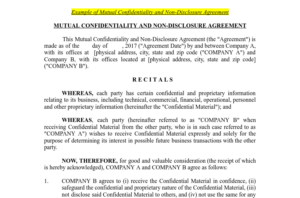
A well-structured Non-Disclosure Agreement establishes disclosure restrictions, defines ownership of information, and creates legal enforceability before any meaningful business conversation begins.

Why a Non-Disclosure Agreement Must Come Before Supplier Discussions

Procurement teams routinely share more than they realize. Requests for quotation, engineering drawings, specifications, cost breakdowns, volume forecasts, and customer requirements are all forms of confidential information. Without a signed Non-Disclosure Agreement, there is no contractual obligation preventing a third party from misusing that data.

This is why best-in-class organizations require an NDA before RFQ and certainly an NDA before supplier engagement. Once information is shared, legal remedies become difficult, expensive, and uncertain. Preventive controls always outperform reactive damage control.

This is especially critical when onboarding new suppliers through a formal Supplier Onboarding Process or initiating competitive sourcing events using a standardized Request for Quotation (RFQ).

You can see an example of an RFQ, with a bid summary page, by accessing the link below.

https://getyourpurchasingdocuments.com/product/request-for-quotation-rfq/

A Non-Disclosure Agreement vs. Confidentiality Agreement: No Practical Difference, Big Practical Impact

In practice, a Non-Disclosure Agreement and a confidentiality agreement serve the same function. Both govern how information may be used, disclosed, and protected. The distinction is largely semantic. What matters is clarity.


A professionally drafted non-disclosure agreement template eliminates ambiguity by clearly defining:

  • What constitutes confidential information
  • How long disclosure restrictions apply
  • Permitted and prohibited uses
  • Remedies in the event of a breach of confidentiality

Templates that lack these elements create false confidence and weak contract compliance.

Choosing the Right Non-Disclosure Agreement Structure

Unilateral Non-Disclosure Agreement in Procurement

A unilateral non-disclosure agreement is the most common structure used in procurement. Information flows in one direction—from the buyer to the supplier. This is appropriate when sharing proprietary pricing models, internal cost data, forecasts, or intellectual property tied to manufacturing or sourcing strategies.

This structure is ideal for:

  • NDA for suppliers during sourcing events
  • NDA for vendors providing services or components
  • Supplier confidentiality agreement execution during onboarding

Mutual Non-Disclosure Agreement for Strategic Relationships

A mutual non-disclosure agreement is used when both parties expect to exchange sensitive information. This is common in joint development, contract manufacturing, or strategic partnerships. While mutual agreements appear balanced, they still require careful review to ensure disclosure restrictions and liability terms are symmetrical and enforceable.

Both structures should be governed by a standardized NDA form approved by legal and procurement leadership.

Non-Disclosure Agreement as a Procurement Risk Control

A procurement non-disclosure agreement is not merely a legal form; it is a risk mitigation mechanism embedded within the procure-to-pay process. It supports:

  • Intellectual property protection
  • Safeguarding trade secrets
  • Limiting downstream disclosure
  • Reducing exposure during supplier transitions

Organizations that formalize NDAs as part of their Supplier Risk Assessment and contracting workflows dramatically reduce the likelihood of data leakage and supplier disputes.

Legal Enforceability and What Makes an NDA Hold Up

Legal enforceability depends on clarity, jurisdiction, and reasonableness. An effective business non-disclosure agreement avoids vague definitions, excessive timeframes, and unrealistic restrictions. Courts are more likely to enforce agreements that clearly balance protection with commercial practicality.

Equally important is documentation discipline. NDAs must be executed, tracked, and referenced in downstream contracts such as Purchase Order Terms & Conditions to maintain continuity and enforceability.

You can find more information about protecting your company in several areas by following the link below.

https://getyourpurchasingdocuments.com/uncategorized/procurement-document-toolkit/ 

You can also find an example of Purchase Order Terms and Conditions by clicking on the link below.

https://getyourpurchasingdocuments.com/product/purchase-order-ts-and-cs/

Non-Disclosure Agreement, Operational Discipline: When and How to Use One

A Non-Disclosure Agreement should be mandatory when:

  • Sharing proprietary information during sourcing
  • Engaging new suppliers or service providers
  • Issuing RFQs involving pricing or specifications
  • Discussing manufacturing processes or tooling

Organizations that rely on informal email disclaimers or verbal assurances are gambling with their most valuable assets.

Embedding NDAs into approval workflows, authority matrices, and supplier onboarding checklists strengthens contract compliance and reinforces accountability across procurement, engineering, and operations.

Not Having a Non-Disclosure Agreement: The Cost of Getting It Wrong

A breach of confidentiality is rarely accidental from a legal standpoint. If no agreement exists, the burden shifts entirely to the company that disclosed the information. Litigation becomes harder, leverage disappears, and competitive advantage erodes quietly.

Some manufacturers mistakenly assume an NDA is optional. Until it isn’t. Without an executed confidentiality agreement, companies are exposed to:

    • IP theft or replication
    • Design leaks
    • Supplier sharing your information with your competitor
    • Misuse of pricing or commercial terms
    • Manipulation of your forecast or cost model data
    • Disputes over ownership of jointly developed ideas

In contrast, a properly executed Non-Disclosure Agreement creates a clear standard of conduct and a defensible response when violations occur.

A Non-Disclosure Agreement is a Standard Requirement of a World-Class Purchasing Process

World-class procurement teams don’t treat NDAs as optional paperwork. They bake confidentiality agreements into their sourcing workflow:

  1. Identify potential supplier
  2. Execute NDA
  3. Begin conversation and share controlled documents
  4. Move into quoting or capability review

This sequence protects the company, speeds up the quoting cycle, and gives suppliers confidence that the information they share is equally protected.

When every supplier follows the same process, conflict drops, compliance increases, and commercial discussions flow cleanly.

Final Thought: Control the Door Before Opening It

A Non-Disclosure Agreement is not a blocker to doing business. It is the doorframe that keeps the structure intact. When procurement teams treat NDAs as a required first step—alongside RFQs, supplier onboarding, and approval limits and a purchase order form—they replace risk with control and assumptions with enforceable obligations.

One final note. Because of the serious nature of this contractual obligation, some companies require an officer from each company to complete the supplier Confidentiality agreement.

Protect your company with Non-Disclosure Agreements today. You can find examples of NDAs by visiting Get Your Purchasing Documents, LLC today https://getyourpurchasingdocuments.com/.

That discipline scales. Chaos does not.

If you would like to learn more about Non-Disclosure Agreements, you can also click on the link below:

What Is an NDA? Nondisclosure Agreement Types and Uses

$299.95

NON-DISCLOSURE AGREEMENT FOR SUPPLIERS: PROTECTING INTELLECTUAL PROPERTY BEFORE RFQ AND ENGAGEMENT

Modern procurement runs on information. Pricing models, cost breakdowns, forecasts, engineering drawings, production volumes, customer data, and sourcing strategy documents move across organizational boundaries daily. The moment that information leaves your system, your protection depends entirely on one document: the Non-Disclosure Agreement.

A properly structured Non-Disclosure Agreement is not paperwork. It is a governance control. It defines ownership, limits use, establishes remedies, and reduces commercial exposure before supplier engagement begins. Without it, procurement teams expose intellectual property, trade secrets, and financial data without enforceable boundaries.

In high-performing organizations, the Non-Disclosure Agreement is executed before RFQ release, before supplier onboarding, and certainly before technical data is shared.

This is not legal paranoia. It is operational discipline.

WHAT IS A NON-DISCLOSURE AGREEMENT IN PROCUREMENT?

A Non-Disclosure Agreement (often referred to as an NDA) is a legally binding contract that restricts how confidential information may be used or disclosed. In procurement environments, it protects buyers when sharing sensitive commercial or technical data with suppliers, vendors, and contract manufacturers.

The agreement typically defines:

  • What constitutes confidential information
  • Permitted and prohibited uses
  • Duration of protection
  • Remedies for breach
  • Governing law and jurisdiction

When embedded into the procurement workflow, the Non-Disclosure Agreement becomes a risk mitigation mechanism within the broader procure-to-pay process.

WHY A NON-DISCLOSURE AGREEMENT MUST PRECEDE RFQ AND SUPPLIER ENGAGEMENT

Procurement teams often underestimate the sensitivity of routine documents. A Request for Quotation (RFQ) can contain:

  • Proprietary pricing structures
  • Volume forecasts
  • Target cost expectations
  • Bill of material details
  • Customer specifications
  • Competitive positioning data

You can find an example of an RFQ by clicking on the link below.

https://getyourpurchasingdocuments.com/product/request-for-quotation-rfq/

Without a signed Non-Disclosure Agreement, a supplier has no contractual obligation to protect that information.

Best-in-class organizations require an NDA before RFQ issuance and certainly before formal supplier engagement. This ensures enforceability of contracts signed by agents and limits downstream exposure.

For example, your standardized Request for Quotation (RFQ) template should never be distributed until the NDA execution step is completed and logged within your procurement approval workflow.

Preventive governance always outperforms reactive litigation.

NON-DISCLOSURE AGREEMENT VS CONFIDENTIALITY AGREEMENT

In practical business application, a Non-Disclosure Agreement and a confidentiality agreement serve the same purpose. The difference is semantic, not functional.

What matters is clarity of terms, scope of restrictions, and enforceability.

A professionally drafted non-disclosure agreement template eliminates ambiguity by clearly defining:

  • Confidential information parameters
  • Exclusions (public domain, prior knowledge, independently developed data)
  • Survival clauses and duration
  • Return or destruction requirements
  • Breach remedies including injunctive relief

Templates lacking these elements create weak contract compliance and false security.

UNILATERAL VS MUTUAL NON-DISCLOSURE AGREEMENT STRUCTURES

Unilateral Non-Disclosure Agreement

A unilateral Non-Disclosure Agreement protects one disclosing party. This is the most common structure in procurement when the buyer shares sensitive data with suppliers.

Typical use cases:

  • NDA for suppliers during sourcing events
  • Supplier confidentiality agreement execution during onboarding
  • NDA for vendors providing services
  • Pre-contract discussions with contract manufacturers

In sourcing environments, information flow is often one-directional. A unilateral structure reflects that reality.

Mutual Non-Disclosure Agreement

A mutual Non-Disclosure Agreement is appropriate when both parties exchange proprietary information. This commonly occurs in joint development, contract manufacturing, or strategic partnerships.

However, mutual agreements require careful review to ensure disclosure restrictions and liability terms are symmetrical and enforceable.

Both structures should be governed by a standardized NDA form approved through corporate governance controls.

KEY CLAUSES THAT MAKE A NON-DISCLOSURE AGREEMENT ENFORCEABLE

Legal enforceability depends on precision. Courts reject vague, overly broad, or unreasonable agreements.

An effective business Non-Disclosure Agreement should contain:

Definition of Confidential Information

Clear identification of what is protected, including digital files, drawings, oral disclosures, and derivative works.

Exclusions

Information already public, independently developed, or lawfully obtained elsewhere.

Term and Survival Clause

Defined duration of confidentiality obligations. Excessively long durations may be challenged.

Permitted Disclosures

Allowances for disclosures to employees, advisors, or agents with need-to-know access under compliance obligations of corporate agents.

Governing Law and Jurisdiction

Specifies legal venue for dispute resolution.

Remedies

Right to injunctive relief and damages in case of breach.

Without these clauses, enforceability weakens significantly.

NON-DISCLOSURE AGREEMENT AS PROCUREMENT RISK CONTROL

A procurement non-disclosure agreement functions as formal control within internal controls in purchasing.

It supports:

  • Intellectual property protection
  • Safeguarding trade secrets
  • Limiting third-party reliance on agent authority
  • Reducing risk of apparent authority claims
  • Protecting cost breakdown and should-cost analysis data
  • Securing commercial and technical specifications

Organizations that formalize NDAs within supplier risk assessment and contracting workflows reduce exposure to supplier disputes and information misuse.

You can download an example of a Supply Chain Risk Assessment form here that includes assigning ‘risk’ and developing ‘mitigation’ plans.

https://getyourpurchasingdocuments.com/product/supply-chain-risk-assessment/

When aligned with Purchase Order Terms & Conditions, the NDA reinforces downstream contractual protection.

You can find a detailed example of Purchase Order Terms and Conditions by following this link:

https://getyourpurchasingdocuments.com/product/purchase-order-terms-and-conditions/

IMPLEMENTING AN NDA CONTROL WORKFLOW IN PROCUREMENT

To transform the Non-Disclosure Agreement from a legal document into an operational safeguard, it must be embedded in governance procedures.

Recommended Workflow:

  1. NDA required before RFQ release
  2. Execution tracked in supplier onboarding documentation
  3. NDA logged within supplier master file
  4. Cross-reference in sourcing event documentation
  5. Alignment with delegation of authority policy
  6. Approval verified against signing authority limits
  7. Stored within audit trail documentation

This creates traceability and reinforces segregation of duties in corporate governance.

The NDA is not standalone protection. It must operate within an approval hierarchy in organizations.

Learn more about delegation of authority, or Agency in Business Law,  by following the link below.

https://getyourpurchasingdocuments.com/procurement-processes-and-best-practices/agency-in-business-law/

You can see a good example of Approval Limits in Purchasing by clicking on the link below.

https://getyourpurchasingdocuments.com/product/approval-limits-in-purchasing/

WHEN A NON-DISCLOSURE AGREEMENT IS NOT ENOUGH

An NDA does not replace:

  • Patent registration
  • Trademark protection
  • Copyright registration
  • Trade secret management controls
  • Cybersecurity safeguards

It is one layer of supply chain resilience planning.

Additionally, if supplier personnel operate beyond their scope of authority in business, questions of ratification of unauthorized acts may arise. Ensuring proper corporate agency authority prevents challenges to enforceability.

The risk of apparent authority claims increases when documentation discipline fails.

COMMON MISTAKES THAT WEAKEN A NON-DISCLOSURE AGREEMENT

  1. Failing to execute before information exchange
  2. Using generic internet templates lacking enforceability structure
  3. Omitting governing law clauses
  4. Ignoring agent responsibilities in a corporation
  5. Failing to align with corporate governance controls
  6. Not tracking NDAs in procurement approval workflow
  7. Allowing suppliers to modify terms without legal review

Weak execution undermines even strong legal language.

NON-DISCLOSURE AGREEMENT AND THE PRINCIPAL AND AGENT RELATIONSHIP

In contract law, the principal and agent relationship affects who has legal authority to bind a company.

If an employee signs an NDA outside their corporate agency authority, enforceability may be challenged.

Understanding actual vs apparent authority ensures that only board-authorized representatives or properly delegated officers execute agreements.

Failure to align with officer vs employee authority standards creates unnecessary risk.

The agency relationship in contract law matters more than most procurement teams realize.

DOWNLOAD A PROCUREMENT-READY NON-DISCLOSURE AGREEMENT TEMPLATE

A procurement-ready Non-Disclosure Agreement template should:

  • Be structured for supplier engagement
  • Include unilateral and mutual versions
  • Align with delegation of authority policy
  • Support enforceability of contracts signed by agents
  • Integrate into procurement sourcing process
  • Complement Purchase Order Terms & Conditions

A properly drafted NDA form protects pricing strategy, sourcing analytics, commercial models, and intellectual property before risk materializes.

Governance is not bureaucracy. It is protection engineered into process.

You can find examples of a Unilateral and Bilateral (or Mutual) Non-Disclosure Agreement by clicking on the links below.

https://getyourpurchasingdocuments.com/product/non-disclosure-agreement-nda-unilateral/

https://getyourpurchasingdocuments.com/product/non-disclosure-agreement-nda-mutual/

FAQ – NON-DISCLOSURE AGREEMENT IN PROCUREMENT

What does a Non-Disclosure Agreement protect?

It protects confidential information such as pricing data, forecasts, engineering drawings, intellectual property, and commercial strategy shared during supplier engagement.

Is a Non-Disclosure Agreement legally enforceable?

Yes, when properly drafted with clear scope, reasonable duration, and defined remedies. Enforceability depends on clarity and jurisdiction.

What is the difference between unilateral and mutual NDA?

A unilateral NDA protects one party’s disclosures. A mutual NDA protects both parties when exchanging confidential information.

Should an NDA be signed before RFQ?

Yes. Best practice requires execution before issuing RFQ documents or sharing cost breakdown requirements.

How long should confidentiality last?

Duration depends on the sensitivity of the information. Trade secrets may require extended protection.

Can a supplier challenge NDA enforceability?

Yes, particularly if scope is vague or the signing party lacked authority.

If you would like to learn more about Non-Disclosure Agreements, please click on one of the links below.

https://legal.thomsonreuters.com/en/insights/articles/4-things-to-know-about-non-disclosure-agreements

https://www.legalzoom.com/articles/understanding-non-disclosure-agreements?msockid=1d4e72e3b4b764f6177c6154b5e06512


Original price was: $1,599.65.Current price is: $1,199.00.

The Essential Procurement Document Toolkit for Manufacturers

Fraud Prevention, Risk Control, and a Smarter Procure-to-Pay Process

                                                      Buidling the Procure-to-Pay Process

Manufacturing runs on tolerances measured in thousandths of an inch. Procurement, however, often runs on email threads, tribal knowledge, and “just get it done.” That gap is where margin quietly evaporates.

A Procurement Document Toolkit closes that gap.

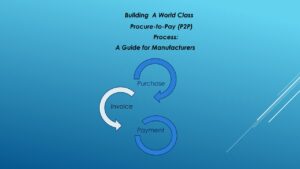
It replaces informal buying habits with a standardized, audit-ready procurement system. Instead of scattered spreadsheets and inconsistent approvals, you get a controlled Procure-to-Pay (P2P) process where every dollar is authorized, documented, and traceable.

At GetYourPurchasingDocuments.com, the Procurement Document Toolkit is built specifically for manufacturers who want fraud prevention, risk control, and disciplined purchasing—without spending months building templates from scratch.

This isn’t paperwork for paperwork’s sake. It’s operational governance that protects working capital and strengthens supplier performance.

What Is a Procurement Document Toolkit?

A Procurement Document Toolkit is a structured collection of standardized procurement templates that govern every stage of the purchasing lifecycle—from internal request to supplier payment.

Think of it as the control framework behind your spending.

A complete toolkit typically includes:

  • Non-Disclosure Agreement (NDA)
  • Purchase Requisition (PR)
  • Supplier Self-Assessment Survey
  • Request for Quotation (RFQ)
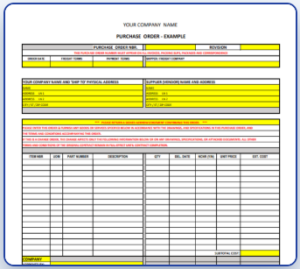
  • Purchase Order (PO)
  • Purchase Order Terms and Conditions (PO T&Cs)
  • Goods Received Note (GRN)
  • Approval Limits for Purchasing Matrix

When these documents operate together, they form a closed-loop Procure-to-Pay process where spend visibility, authority limits, and compliance are built into daily operations.

If you want a deeper breakdown of the full P2P workflow, review the complete step-by-step guide here:
https://getyourpurchasingdocuments.com/procurement-processes-best-practices/the-complete-procure-to-pay-process-a-step-by-step-guide-for-manufacturers-2/

Why Every Manufacturer Needs a Procurement Document Toolkit

Unstructured purchasing invites three predictable problems:

  1. Maverick Expenditures
  2. Duplicate or unauthorized orders
  3. Fraud exposure and compliance failures

When departments bypass Procurement or use inconsistent formats, visibility disappears. That’s when invoice discrepancies, inflated pricing, and approval confusion creep in.

A standardized Procurement Document Toolkit establishes:

  • Clear approval authority
  • Defined documentation requirements
  • Enforced separation of duties
  • Audit-ready documentation trails
  • Consistent supplier communication

It creates discipline without slowing operations.

Fraud Prevention Starts with Defined Authority

Fraud and unauthorized commitments often begin with one simple question: Who was allowed to approve this?

Think of it as the control framework behind your spending.

The Approval Limits template for Purchasing defines:

  • Spending thresholds by role
  • Signature authority levels
  • Escalation requirements
  • Regional or departmental limits

This matrix enforces corporate governance and protects against unauthorized financial commitments.

You can download an example here:
https://getyourpurchasingdocuments.com/product/approval-limits-template/

Without defined approval authority, companies rely on assumptions. Assumptions are not internal controls.

Core Templates Inside the Procurement Document Toolkit

Each document in the Procurement Document Toolkit serves a specific control function. Remove one link and risk increases.

Non-Disclosure Agreement (NDA): Protect Intellectual Property

Before sharing drawings, forecasts, or proprietary processes, a signed NDA establishes legal protection.

With NDA:
You share custom fabrication drawings. Six months later, misuse is legally enforceable.

Without NDA:
Your design circulates to competitors. Competitive advantage disappears.

Access NDA template:
https://getyourpurchasingdocuments.com/product/non-disclosure-agreement-template/

Purchase Requisition (PR): Control Internal Spend

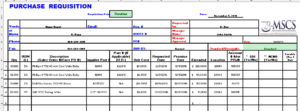
The Purchase Requisition is the first formal step in procurement cost control. It ensures:

  • Budget alignment
  • Approval before commitment
  • Clear specifications
  • Accountability

Without a PR system, departments buy reactively. That leads to budget overruns, safety issues, and invoice disputes.

You can download a working template with instructions by following this link:
https://getyourpurchasingdocuments.com/product/complete-purchase-requisition-form/

Supplier Self-Assessment Survey: Reduce Supplier Risk

Price alone does not equal value.

A Supplier Self-Assessment Survey evaluates:

  • Quality certifications (e.g., ISO)
  • Financial stability
  • Compliance programs
  • Manufacturing capabilities

Without supplier due diligence, low-cost suppliers can become high-cost disruptions.

Template available here:
https://getyourpurchasingdocuments.com/product/supplier-self-assessment-survey/

Request for Quotation (RFQ): Standardize Competitive Pricing

An RFQ ensures apples-to-apples comparison across suppliers by standardizing:

  • Specifications
  • Quantities
  • Delivery requirements
  • Terms

Without structured RFQs, hidden costs creep into quotes.

You can download a usable RFQ template here:
https://getyourpurchasingdocuments.com/product/request-for-quotation-rfq/

Purchase Order (PO): Create Legal Commitment

A Purchase Order formalizes:

  • Price
  • Quantity
  • Delivery terms
  • Payment terms

It transforms verbal agreements into enforceable contracts.

PO template here:
https://getyourpurchasingdocuments.com/product/purchase-order-form/

Purchase Order Terms & Conditions: Legal Risk Protection

A PO without Terms and Conditions is a handshake without leverage.

PO T&Cs define:

  • Warranty obligations
  • Indemnification
  • Delivery penalties
  • Liability limitations

View example:
https://getyourpurchasingdocuments.com/product/purchase-order-ts-and-cs/

Goods Received Note (GRN): Enable 3-Way Matching

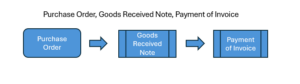
The GRN confirms what was physically received and supports three-way matching:

PO + Invoice + Delivery Confirmation.

Without a GRN, overpayments go unnoticed.

Download GRN template:
https://getyourpurchasingdocuments.com/product/goods-received-note/

The Procurement Control Chain

A Procurement Document Toolkit creates a linked control system:

NDA → Protects IP
PR → Controls authorization
RFQ → Drives competitive pricing
Supplier Survey → Screens risk
PO → Locks in agreement
T&Cs → Protects legally
GRN → Ensures payment accuracy

Break one link and the system weakens.

Keep the chain intact and procurement becomes proactive instead of reactive.

How the Procurement Document Toolkit Improves Cost Control

Structured documentation increases financial transparency.

When every purchase includes a requisition, quotation, and PO, leadership gains:

  • Spend visibility
  • Supplier performance tracking
  • Working capital optimization
  • Reduced maverick spend
  • Stronger negotiation leverage

CFOs appreciate visibility. Auditors appreciate documentation. Operations appreciates predictability.

ERP Integration and Digital Audit Trails

The Procurement Document Toolkit integrates seamlessly with ERP platforms such as:

  • SAP
  • Oracle
  • Ariba

Templates can be embedded into digital workflows to prevent bypassing controls.

Documentation becomes automatic rather than bureaucratic.

How to Implement a Procurement Document Toolkit

Implementation is about embedding structure, not adding complexity.

Step 1: Define approval authority and financial thresholds.
Step 2: Train users on documentation flow.
Step 3: Embed templates into ERP workflows.
Step 4: Monitor KPIs and audit compliance quarterly.

A Purchasing Requisition system is often the fastest starting point. It becomes the “front door” of disciplined procurement.

Learn more here:
https://www.mscsgrp.com/purchasing-requisitions-system/

Where to Get the Procurement Document Toolkit

Building procurement forms from scratch consumes weeks of formatting and revisions. Most companies know what they need—but lack standardized templates.

GetYourPurchasingDocuments.com provides ready-to-use, editable procurement templates designed for manufacturers, engineers, and purchasing managers.

Each template includes:

  • Clear instructions
  • Structured formatting
  • Governance alignment
  • Corporate compliance language

Explore the complete Procurement Document Toolkit today and standardize your purchasing process with confidence.

The Strategic Advantage of a Procurement Document Toolkit

World-class procurement organizations do not rely on luck. They rely on systems.

A Procurement Document Toolkit transforms purchasing into a structured, risk-controlled, financially disciplined operation.

It reduces fraud exposure.
It protects intellectual property.
It strengthens supplier performance.
It improves audit readiness.
It safeguards margins.

When documentation aligns with operational discipline, savings follow naturally.

Procurement is evolving rapidly, with digital governance and strategic sourcing becoming core competitive advantages. For insight into broader procurement trends shaping global supply chains, review this analysis from McKinsey & Company:
https://www.mckinsey.com/capabilities/operations/our-insights/where-procurement-is-going-next

If you are looking for information on a Purchasing Requisition System, you can find a brief article using the following link:

https://www.mscsgrp.com/purchasing-requisitions-system/

Newsletter

Sign up to stay informed on the latest news and exclusive offers from Get Your Docs.

  • Item added to cart
1
Your Cart
Procurement Document Toolkit Templates
1 X Original price was: $1,599.65.Current price is: $1,199.00.
    Apply Coupon